
A question teams bring to Precheck:

Should the starter plan cap at 3 seats or 5?

Data-informed AI simulations of how customers might respond to a product, offer, or price, before you commit budget.

  • Should the starter plan cap at 3 seats or 5?

    D2C brands

  • Will a three-pack bundle at ₹1,499 cannibalise the single SKU?

    SaaS teams

  • Does free shipping over ₹999 move more carts than 10% off?

    Founders

  • Which feature belongs behind the upgrade wall?

    D2C brands

  • What stops a first-time visitor from buying the subscription?

    SaaS teams

  • Is annual-only the right default for mid-market accounts?

    Founders

  • Launch the new flavour to repeat buyers first, or to everyone?

    D2C brands

  • Should the starter plan cap at 3 seats or 5?

    D2C brands

  • Will a three-pack bundle at ₹1,499 cannibalise the single SKU?

    SaaS teams

  • Does free shipping over ₹999 move more carts than 10% off?

    Founders

  • Which feature belongs behind the upgrade wall?

    D2C brands

  • What stops a first-time visitor from buying the subscription?

    SaaS teams

  • Is annual-only the right default for mid-market accounts?

    Founders

  • Launch the new flavour to repeat buyers first, or to everyone?

    D2C brands

Where Precheck stands today

True today

  • Simulations are underway for large companies, using data they have shared.

  • We are already working with multiple brands and testing simulations for them.

  • Broader access is through the waitlist.

Not yet

  • Predictive accuracy has not been established. That is what the calibration round below is for.

  • The dashboard on this page is an illustrative mockup, not the product.

  • Self-serve access is not available yet.

What a simulation hands back

Not a verdict. A map of how each audience might respond, what stands in the way, and the one test worth running next.

Response by segment

Would buy, would consider, would not.

  • Repeat buyers47% would buy
  • First-time visitors21% would buy
  • Lapsed customers16% would buy
Would buyWould considerWould not

Barriers, ranked

What stops the purchase, by share of simulated responses.

  • Price feels high for the category19%
  • Not sure of the ingredients5%
  • Already stocked up38%
  • Shipping cost at checkout11%
  • Wants to try one before three27%

One test to run

Offer the ₹1,299 bundle to repeat buyers for two weeks. Keep singles for everyone else.

Plus the assumptions it would settle, and what you would learn either way.

Scenarios side by side

Repeat
₹1,499 38%
₹1,299 47%
Singles 29%

Share who would buy, per scenario.

Why side by side

The point is not the number. It is which scenario wins for which audience, and how far apart they sit.

That gap is what tells you whether a real-world test is worth the spend.

Illustrative outputs with synthetic values. Predictive accuracy has not been established.

Built for the decisions you are weighing right now

Every simulation starts with a real question and ends with one test worth running.

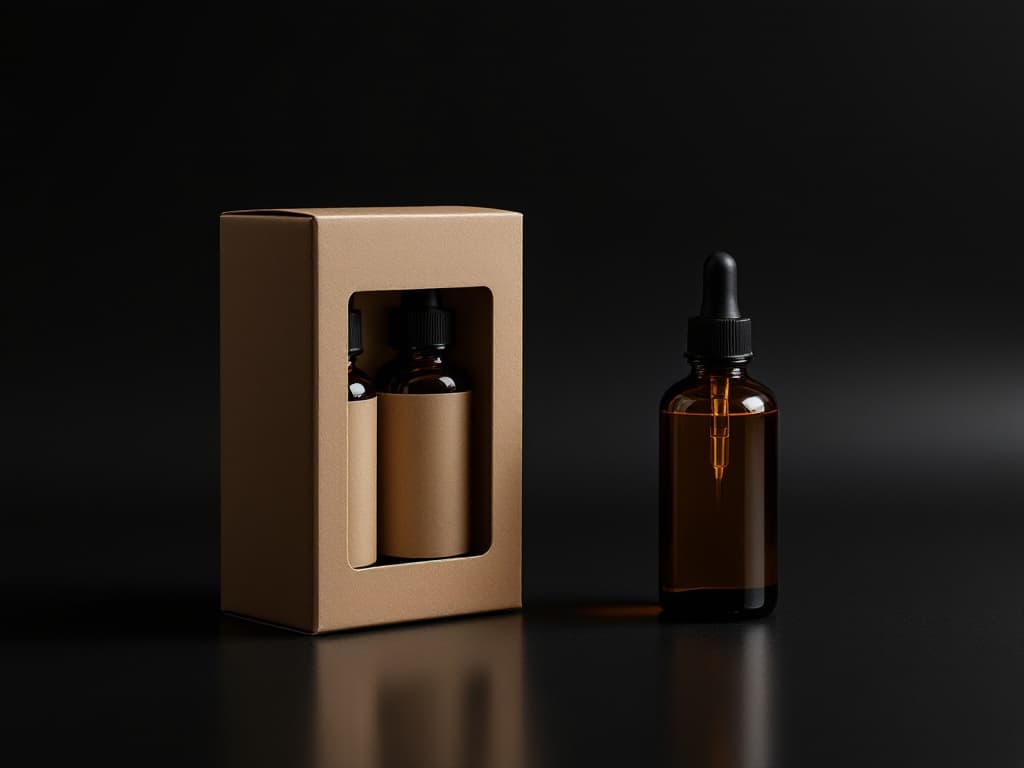
A three-pack in a kraft box beside a single amber bottle, lit from one side.

D2C brands

Product launches, bundles, subscriptions, messaging, and purchase barriers.

The decision

  • Launch the three-pack bundle, or keep selling singles?
  • Move the subscription from monthly to every eight weeks?
  • Lead the launch email with price, speed, or ingredients?
  • What actually stops the first purchase?

What the simulation explores

  • Repeat buyers, first-time visitors, lapsed customers
  • Price points and bundle configurations
  • Message variants and the barriers each one meets

The test you leave with

A two-week bundle test on repeat buyers, at one price.

Three frosted glass slabs of rising height, the middle one lit amber.

SaaS teams

Pricing, packaging, feature boundaries, and the reasons customers upgrade.

The decision

  • Cap the starter plan at 3 seats or 5?
  • Move usage limits out of the free tier?
  • Which feature triggers the upgrade for mid-market?
  • Annual-only by default, or keep monthly?

What the simulation explores

  • Plan boundaries and price points by segment
  • Feature packaging and what it signals
  • Upgrade reasons, downgrade risks, and objections

The test you leave with

One packaging change, one segment, one cohort.

A single amber line of light winding across a dark field.

Founders

Assumptions to surface, and what to test before spending more time and money.

The decision

  • Which assumption is load-bearing?
  • Is the problem urgent enough that people pay for it?
  • Which of three offers goes in front of the first fifty customers?

What the simulation explores

  • Audiences and their willingness to pay
  • Objections, framing, and offer structure
  • What each scenario would have to be true to work

The test you leave with

The single cheapest test that would change your mind.

  1. 1

    Frame a decision

    State the product, offer, or price you are weighing, and what you would do differently depending on the answer.

  2. 2

    Explore audiences and scenarios

    Simulate how different customer segments might respond across prices, bundles, messages, and barriers. Compare scenarios side by side.

  3. 3

    Choose a focused real-world test

    Leave with one specific test worth running, and the assumptions it would settle.

Decision

Launch the three-pack bundle at ₹1,499

Singles stay at ₹549

Illustrative

Audience

Simulated share who would buy

Scenario the suggested test is about

  • Bundle at ₹1,499
    38%
  • Bundle at ₹1,299
    47%
  • Singles only
    29%

Top barrier

Already stocked up. Wants a reason to buy ahead, not a bigger box.

Suggested test

Bundle at ₹1,299 to repeat buyers for two weeks, against singles.

Synthetic values for illustration. Not output from a real simulation.

This dashboard is an illustrative mockup with synthetic values. Predictive accuracy has not been established.

Bring a decision you have already made

If you have launched a product, changed a price, or shipped a bundle and know how customers responded, send us the inputs.

We run the simulation blind against that decision and compare its output with what actually happened. You see how close Precheck got. We learn where it is wrong. That comparison is how accuracy gets established, and it is not established yet.

Share who bought

What happened

  • Repeat buyers
    44%
  • First-time visitors
    27%
  • Lapsed customers
    11%

Drag to compare. Synthetic values for illustration, not a real calibration result.

What to send

  1. 1

    The decision

    What you launched, priced, or bundled, and the options you weighed at the time.

  2. 2

    The audience

    Who it went to: the segment, the channel, the size of the group.

  3. 3

    What happened

    Sales, conversion, churn, whatever you measured, over whatever window you have.

Where this is going

Three stages, no dates. Each one has to earn the next.

  1. Now

    Simulations for a small number of large companies, on data they have shared.

    Each run is compared with what those teams already know about their customers. This is where the model is being shaped.

  2. Next

    The calibration round.

    Teams send a decision they already made and the outcome they observed. We simulate it blind and share how close we got. Accuracy gets a number, or it does not.

  3. Later

    Waitlist access, in the order people joined.

    Frame a decision, explore audiences and scenarios, pick a focused test. Only once the calibration round has earned it.

Questions

Straight answers about what Precheck does, and what it does not do yet.

No. Precheck runs data-informed AI simulations so you can explore how different audiences might respond to a decision, and pick the real-world test worth running. Predictive accuracy has not been established yet, and we say so on this page rather than in a footnote.

Get on the list, or bring your data.

Waitlist members are invited as capacity opens. Teams that share a decision they already made get a scored comparison back.

I want to